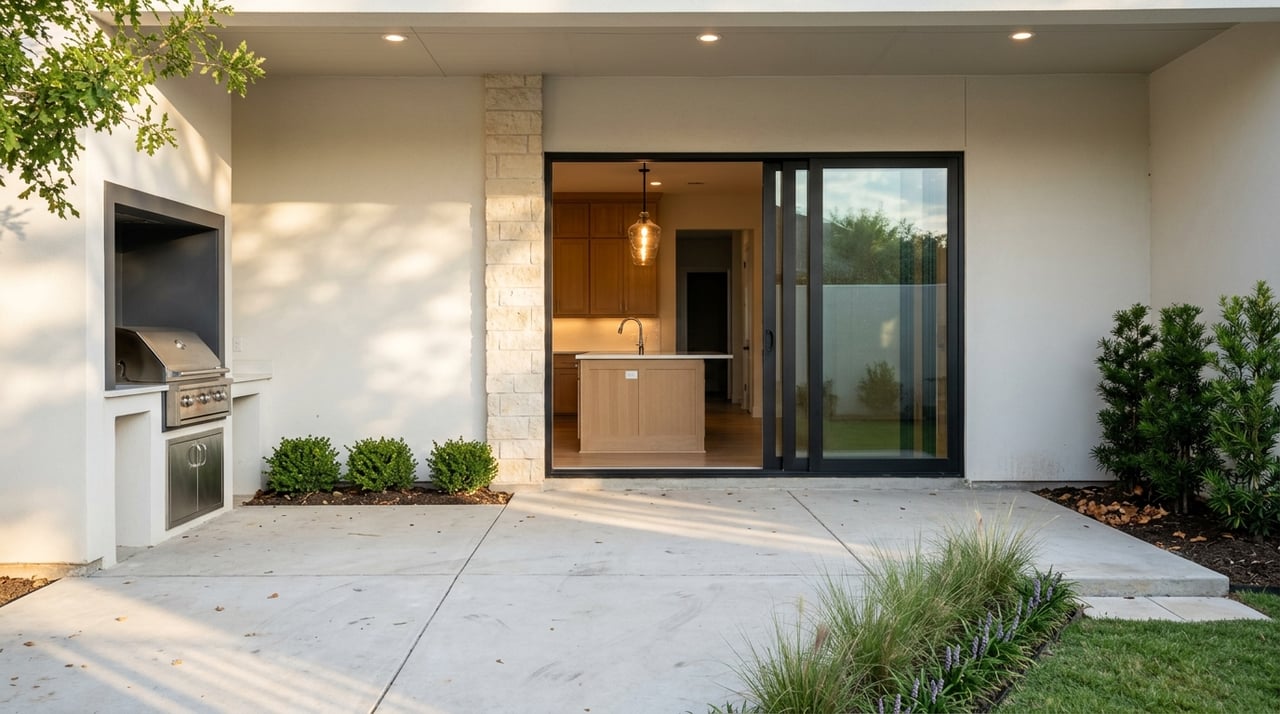
North Dallas Suburbs vs Dallas: How They Compare
June 18, 2026
June 18, 2026
Wondering whether your next move should be in Dallas or one of the north suburbs? It is a common DFW question, especially if you want the right mix of budget, commute, housing style, and day-to-day lifestyle. The good news is that Dallas, Plano, Frisco, and McKinney each offer a distinct experience, and understanding those differences can make your search much clearer. Let’s dive in.
If you are comparing city living with suburban living in North Dallas, the biggest differences usually come down to home prices, housing types, transportation options, and pace of life. Dallas offers the most urban setting in this group, while Plano, Frisco, and McKinney each lean more suburban in different ways.
For many buyers, the choice is less about which city is “better” and more about which one fits your routine and long-term goals. If you want more housing variety and stronger non-driving options, Dallas and Plano stand out. If you want a more detached-home-focused market, Frisco and McKinney may feel like a better fit.
Price is often the first filter, and this comparison shows a clear spread. Among these four cities, Dallas has the lowest median owner-occupied home value at $320,700, while Frisco has the highest at $642,100.
Plano sits in the middle at $465,900, and McKinney is close behind at $471,800. That means if you are trying to balance suburban living with a lower price point than Frisco, Plano and McKinney may deserve a closer look.
Household income figures also help explain the pricing. Median household income is $70,518 in Dallas, $108,649 in Plano, $150,212 in Frisco, and $124,215 in McKinney. In simple terms, the north suburbs in this comparison generally come with higher ownership costs and higher household incomes.
One of the biggest lifestyle differences is the kind of housing you will see on the ground. Dallas has the most mixed housing stock, with 43% detached units, 4% attached units, 6% in 2 to 4 unit buildings, 21% in 5 to 19 unit buildings, and 25% in buildings with 20 or more units.
That mix gives Dallas a more layered feel. You are more likely to find everything from detached homes to condos and larger apartment buildings within the same broader city fabric.
Plano offers the broadest mix among the north suburbs in this comparison. Its housing stock includes 59% detached units, 4% attached units, 4% duplex, triplex, or fourplex units, 19% apartment or condo buildings with 5 to 49 units, and 14% in 50+ unit apartment or condo buildings.
Frisco and McKinney lean more heavily toward detached homes. Frisco is 70% detached units, while McKinney is 71% detached units, which supports the more suburban feel many buyers expect.
If you want a wider range of living options, Dallas stands apart. The city has a notable older-housing layer as well, including historic districts and landmarks managed through the city’s preservation program.
That older housing stock can create a more varied street-by-street experience. For example, Peak’s Suburban Addition includes Victorian homes along with streetcar apartments from the 1920s and 1930s, which helps explain why some Dallas areas feel more textured and less uniform.
For buyers who want choice in housing type, building age, and neighborhood form, Dallas often gives you the broadest menu. That can matter if you are deciding between a condo, townhome-style property, apartment-style living, or a detached house.
Plano often works well for buyers who want something between city living and a classic suburb. It has more detached housing than Dallas, but it still offers a broader range of housing forms than Frisco or McKinney.
That balance also shows up in how Plano functions day to day. It is established, more mixed in form than many outer suburbs, and still suburban in many practical ways.
For relocators and first-time buyers, Plano can feel like a useful middle option. You get suburban structure without giving up as much housing variety or transit access as you might in more car-centered markets.
Frisco stands out as the highest-priced city in this comparison and one of the most detached-home-focused. With 70% detached units and a median owner-occupied home value of $642,100, it fits buyers who are looking for a newer suburban feel and are comfortable at a higher price point.
The housing mix is less varied than Dallas or Plano. Only 1% of housing is in duplex, triplex, or fourplex units, while 10% is in apartment or condo buildings with 5 to 49 units and 15% is in 50+ unit buildings.
That does not make Frisco one-dimensional, but it does mean the market tends to feel more suburban and more car-oriented in everyday life. For many buyers, that is part of the appeal.
McKinney also leans strongly suburban, with 71% detached units and a median owner-occupied home value of $471,800. Compared with Frisco, it comes in at a lower price point while still offering a detached-home-heavy market.
A key difference is lifestyle character. McKinney’s downtown is known for a strong historic core, pedestrian-oriented circulation, free downtown parking, and a trolley through the square.
That gives McKinney a different feel from a newer planned suburb. If you like the idea of a more traditional downtown setting paired with suburban housing patterns, McKinney may be worth serious consideration.
Many buyers assume city living always means a much shorter commute, but the average travel times here are fairly close. Mean travel time to work is 25.7 minutes in Dallas, 25.4 in Plano, 28.6 in Frisco, and 27.8 in McKinney.
That means the bigger difference is not necessarily time. It is how you get around.
Dallas offers the strongest urban transportation setup in this group, with DART service. Plano also has DART rail and bus service, which gives you more non-driving options than you will usually find farther north.
Frisco uses DCTA-based transit, and McKinney highlights local transit services plus a downtown trolley. In practical terms, Frisco and McKinney are more car-centered for daily life, while Dallas and Plano provide a broader transportation menu.
Lifestyle is where the city-versus-suburb choice often becomes most personal. Dallas is the most amenity-dense and urban in this comparison.
Its core attractions are highly concentrated, especially around the Dallas Arts District. Official city tourism materials describe it as the largest urban arts district in the United States and highlight destinations such as the Dallas Museum of Art, Nasher Sculpture Center, Meyerson Symphony Center, Winspear Opera House, Perot Museum, and Klyde Warren Park.
Plano has a more blended feel. Its official city resources point to Historic Downtown Plano, arts and events, parks and recreation, hike-and-bike trails, the library, and interactive city maps, which supports its position as a middle ground between urban and suburban living.
Frisco and McKinney feel more suburban overall, but each has a distinct downtown identity. Frisco’s downtown and Rail District orientation adds a newer core, while McKinney emphasizes a historic square with pedestrian-friendly features.
If you are early in your search, a simple framework can help. Dallas tends to fit buyers who want transit access, urban density, and the widest mix of housing forms.
Plano often fits buyers who want balance. It combines suburban convenience with a broader housing spectrum and stronger non-driving options than more car-centered suburbs.
Frisco often appeals to buyers looking for newer, higher-priced, mostly detached housing. McKinney tends to fit buyers who want a detached-home market with a more historic downtown feel and a slightly slower pace.
If you are buying a primary home, this comparison can help you narrow your search faster. Instead of touring every part of DFW, you can focus on the places that match your budget, commute style, and preferred housing type.
If you are thinking like a small-scale investor, housing mix matters too. Dallas offers more property-type variety, while the north suburbs in this comparison lean more toward detached homes and suburban townhome-style opportunities.
The right move depends on your goals. Some buyers want flexibility and location variety, while others want a turnkey suburban home or a rental property in a detached-home-focused market.
The Dallas versus North Dallas suburb decision is really a choice about lifestyle shape. Dallas is the most urban and varied. Plano is the balanced middle ground. Frisco and McKinney deliver a more suburban day-to-day experience, with Frisco leaning newer and higher-priced, and McKinney bringing more of a historic downtown feel.
If you are trying to sort through these options, it helps to work with someone who understands how these markets function in real life, not just on paper. Whether you are relocating, buying your first DFW home, or planning a buy-to-rent move, local guidance can save you time and help you focus on the right fit. When you are ready to compare neighborhoods, home styles, or suburban investment options, connect with Harman Cheema.
Stay up to date on the latest real estate trends.
Your dream home is closer than you think. When you work with me, you’re choosing a partner who combines local market knowledge, cutting-edge technology, and a passion for delivering success. With my expertise, dedication, and personalized service, your buying and selling journey will be smooth, seamless, and enjoyable. Contact me today to schedule a consultation and take the first step toward your future!