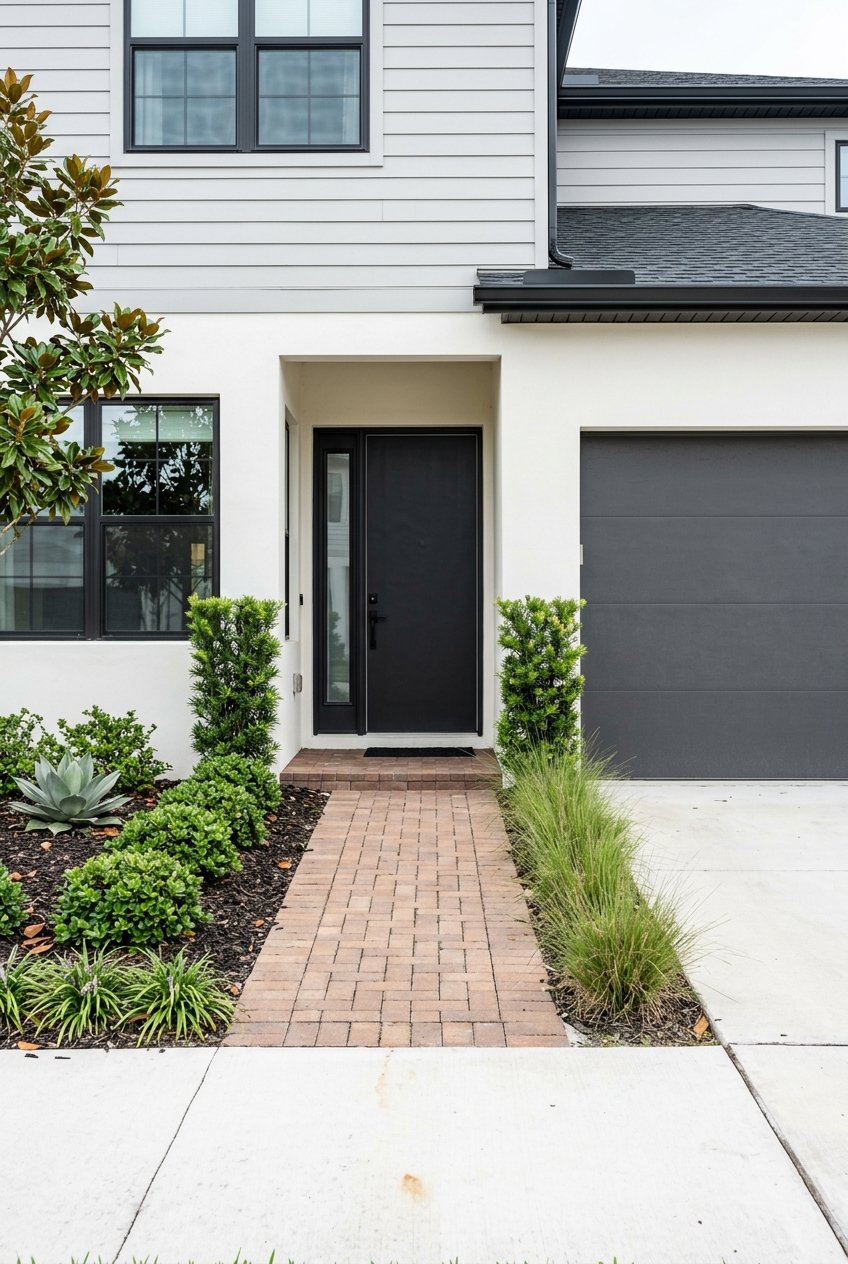
First Time Buying in Irving: A Smart Path to Ownership
May 28, 2026
May 28, 2026
Thinking about trading your rent payment for a mortgage in Irving? You are not alone. With Irving still showing signs of a buyer’s market and local home prices landing in the mid-$300,000s, many renters are asking whether now is the right time to make the leap. The good news is that first-time buying can feel a lot less overwhelming when you know what to expect, what to budget for, and which loan options are worth a closer look. Let’s dive in.
Irving gives first-time buyers a real mix of options, from condos and townhomes to detached houses. Recent market snapshots show a median sale price around $355,000 in March 2026 and a median sold price of $362,600 in April 2026. Realtor.com also reported a median listing price of $424,900 and median rent of $1,623 per month, while labeling Irving a buyer’s market.
For you as a renter, that matters because a buyer’s market can create more room to compare homes carefully and negotiate terms. It also means your decision should be based on the full monthly cost of ownership, not just whether a mortgage payment looks close to your current rent.
One of the biggest first-time buyer mistakes is comparing rent only to principal and interest. Owning a home in Irving can also include property taxes, homeowners insurance, HOA dues, private mortgage insurance, and maintenance.
That fuller picture can change the math quickly. A home that looks affordable at first glance may feel very different once you add in recurring costs and the cash you need upfront.
Before you start touring homes, build a budget that covers more than the mortgage. A realistic ownership budget should include:
Fannie Mae recommends keeping three to six months of essential expenses in reserve. That cushion can help you handle repairs, job changes, or other surprises without stretching too thin.
Closing costs are often one of the biggest surprises for renters buying their first home. The CFPB says closing costs usually run about 2% to 5% of the purchase price, not including the down payment.
On a $350,000 home, that works out to roughly $7,000 to $17,500 before your down payment. Common charges can include appraisal fees, title insurance, government taxes, and prepaid expenses like property taxes, homeowners insurance, and interest until your first payment is due.
Seller or lender credits can sometimes reduce your cash-to-close. Still, those credits usually come with a tradeoff, such as a higher purchase price or a higher interest rate, so it is smart to compare the total cost instead of focusing only on the upfront savings.
Texas does not have a state property tax, but local property taxes are a major part of homeownership costs. In Irving, the city lists a total tax rate of $2.139075 per $100 of assessed value for a parcel in Irving ISD and Dallas County.
On a $350,000 home, that comes to about $7,487 per year before exemptions. Exact tax bills depend on the specific parcel and taxing units, so you should always verify the estimate with the appraisal district or tax office before you commit.
If the home will be your primary residence, you may qualify for tax relief through a residence homestead exemption. The Texas Comptroller says school districts must provide a $140,000 residence homestead exemption on a qualifying home, and the City of Irving says its local optional homestead exemption is 20% for a primary residence.
The Comptroller also says a residence homestead exemption generally must be filed with the county appraisal district before May 1. For first-time buyers, this is one of those small steps that can have a meaningful impact on your long-term housing costs.
Buying your first home starts before the loan application. The CFPB says buyers should have steady income, good credit, manageable debt, down payment savings, and enough room in the budget for the mortgage, taxes, insurance, closing costs, moving costs, and repairs.
If you are still working on one of those pieces, that does not mean homeownership is out of reach. It just means your next best move may be to prepare first, then shop from a stronger position.
Ask yourself these questions:
If you can answer yes to most of these, you may be closer than you think.
If you want your home search to feel focused and realistic, preapproval matters. Fannie Mae describes preapproval as a bigger step than prequalification and a stronger commitment from the lender.
That can help you understand your price range early and show sellers that you are serious. After you get preapproved, shop with multiple lenders and compare official Loan Estimates carefully.
Two lenders may offer very different combinations of rate, fees, and cash needed at closing. Looking at the Loan Estimate side by side can help you spot the true cost of each loan option.
This is especially important if you are trying to balance monthly affordability with upfront cash. A lower rate is not always the best deal if the fees are much higher.
The right loan depends on your savings, credit profile, and long-term plans. Here are several options worth researching if you are moving from renting to owning in Irving.
FHA loans can go as low as 3.5% down. For renters with limited savings, that lower entry point can make buying happen sooner than expected.
Some conventional loans start around 3% down. If your down payment is under 20%, private mortgage insurance is usually required.
VA-backed loans are available to eligible veterans and certain service members. Many can be used with no down payment, and VA loans do not require PMI.
USDA Guaranteed loans are another no-money-down option for eligible rural properties. Eligibility depends on both property location and borrower qualifications.
Texas buyers may also want to look into state-level programs. TDHCA’s My First Texas Home offers down payment assistance plus 30-year, low-interest mortgages for first-time homebuyers, with exceptions for targeted areas and qualified veterans. TDHCA also requires homebuyer education for its homebuyer program.
My Choice Texas Home is open to everyone. TDHCA also offers a Mortgage Credit Certificate that may reduce federal tax liability dollar for dollar.
TSAHC offers fixed-rate mortgage loans with down payment assistance that can be structured as a grant or a forgivable second lien, up to 5% of the loan amount. TSAHC also says assistance must be applied for when the mortgage application is submitted, not after closing.
Your first home in Irving does not have to be a detached house. Depending on your budget and lifestyle, a condo or townhome may be a practical first step.
The key is to compare monthly carrying cost and maintenance responsibility, not just list price. That gives you a more honest view of what day-to-day ownership will feel like.
A condo is a privately owned unit in a larger building or community with shared common areas. Condos usually come with separate HOA dues, and those dues can range from a few hundred dollars a month to more than $1,000.
Those fees may cover exterior maintenance, common areas, amenities, insurance, and reserves. Lenders also review association finances, lawsuits, inspections, and warrantability, so condo financing can involve extra layers.
A townhome is usually a multi-floor unit with a private entrance and one or two shared walls. Townhomes can be less expensive than a single-family home of similar size because they are built up rather than out.
They may still have HOA fees for exterior upkeep and common spaces. For many first-time buyers, a townhome offers a middle ground between space and maintenance.
A detached home is typically a standalone house on its own parcel. You usually take on responsibility for maintenance inside and out, though some detached homes are still in HOA communities.
If you want more privacy and control, this option may appeal to you. Just make sure your budget includes the real cost of upkeep, not only the mortgage.
Once you are financially ready and preapproved, the path from renter to owner becomes a series of manageable steps. Knowing the flow ahead of time can make the process feel much less stressful.
Start with your payment comfort zone, not just your lender maximum. Build in taxes, insurance, HOA dues, and maintenance so the monthly number reflects real life.
A strong preapproval helps you shop with confidence and move quickly when you find the right fit. It also helps narrow your search to homes that match your actual budget.
As you compare homes, pay attention to more than the asking price. A lower-priced condo with high HOA dues may cost more each month than a higher-priced townhome with lower fees.
When you find a home, make the offer contingent on financing and a satisfactory inspection. Those contingencies can give you important protection if the loan or the property raises concerns.
As you move toward closing, begin researching closing service providers such as title and settlement companies. Before you sign, compare the Closing Disclosure to the Loan Estimate so you can confirm the costs and terms match what you expected.
That feeling is normal. There are a lot of moving parts, and buying your first home is both a financial decision and a life decision.
The best way to lower the stress is to break the process into small steps. Focus on readiness, lending, total monthly cost, and property type first. Once those pieces are clear, your search becomes more practical and a lot less emotional.
For many renters in Irving, the move to ownership is less about chasing a perfect moment and more about building a smart plan. With median home values in the mid-$300,000s, a buyer’s market label, and several financing paths worth exploring, you may have more options than you think.
The goal is not just to buy a home. It is to buy a home you can comfortably afford, maintain, and enjoy long after closing. If you want a practical plan for your first purchase in Irving, reach out to Harman Cheema for straightforward guidance on your next move.
Stay up to date on the latest real estate trends.



Your dream home is closer than you think. When you work with me, you’re choosing a partner who combines local market knowledge, cutting-edge technology, and a passion for delivering success. With my expertise, dedication, and personalized service, your buying and selling journey will be smooth, seamless, and enjoyable. Contact me today to schedule a consultation and take the first step toward your future!